
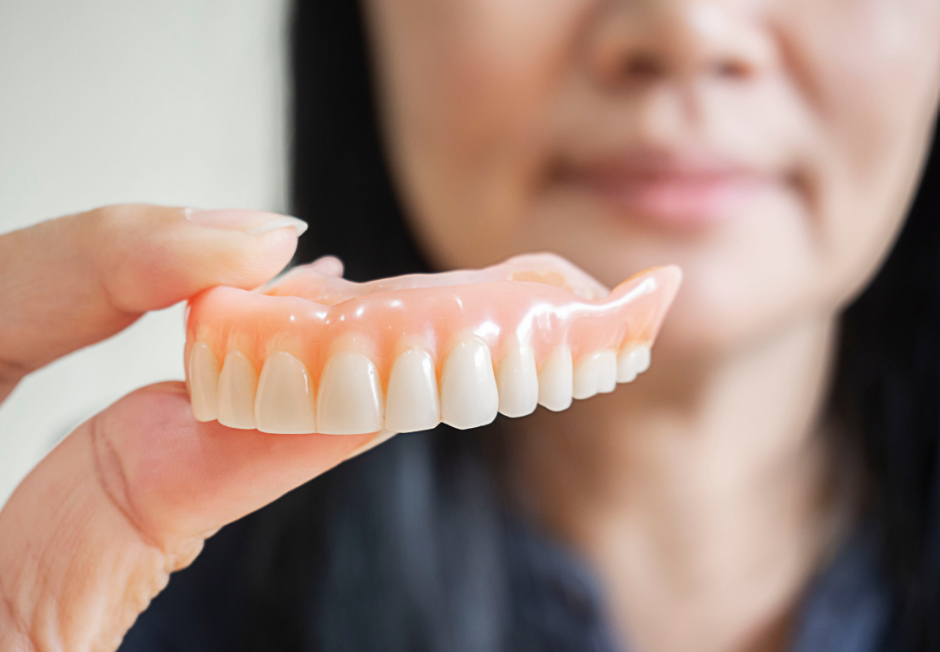
If you’ve been without teeth for several years, you might assume dentures are no longer an option. One of the biggest concerns people have in this situation is jawbone loss. After teeth are removed, the jawbone no longer receives the stimulation it needs, which causes it to gradually shrink over time. While bone loss can complicate denture treatment, it does not automatically disqualify you from getting dentures.
Why Jawbone Loss Happens After Tooth Loss
Teeth play a crucial role in maintaining jawbone density. When you chew, pressure is transferred through the tooth roots to the jawbone, helping keep it strong. Once teeth are missing, that stimulation disappears. Over time, the jawbone begins to resorb, or shrink, which can change the shape of your mouth and face.
This process happens gradually, so people who have been without teeth for a long time often experience more advanced bone loss than those who recently had teeth removed.
Can Dentures Still Work with Bone Loss?
Yes, many people with jawbone loss can still wear dentures. Traditional dentures rest on the gums rather than being anchored into bone, so they don’t require the same bone support as dental implants. Dentists can design dentures to fit the current shape of your gums and jaw, even if significant bone loss has occurred.
That said, reduced bone height can affect how stable dentures feel. In some cases, dentures may be more prone to shifting or slipping, especially on the lower jaw where bone loss tends to be more severe.
Adjustments and Techniques That Improve Denture Fit
Modern denture technology offers several ways to improve comfort and stability for patients with bone loss. Dentures can be customized with specialized shapes, extended flanges, or soft liners to help them grip the gums more effectively.
Regular adjustments are also important. As bone loss continues over time, dentures may need to be relined or remade to maintain a proper fit and avoid sore spots or irritation.
Bone Grafting and Implant-Supported Dentures
For some patients, bone grafting may be an option to rebuild lost jawbone. This procedure adds bone material to areas where the jaw has thinned, potentially improving support for dentures or future implants. Bone grafting isn’t necessary for everyone, but it may be recommended in certain cases.
Implant-supported dentures are another option worth considering. These dentures are secured to dental implants placed in the jawbone, helping prevent further bone loss while providing significantly improved stability. Even patients with bone loss may qualify for implant dentures, sometimes with preparatory procedures like bone grafting.
Choosing the Right Option for Your Situation
Every mouth is different, especially after years without teeth. The best denture solution depends on the extent of bone loss, overall oral health, and personal comfort goals. A thorough evaluation allows your dentist to recommend options that restore function while protecting your jawbone as much as possible.
Even after long-term tooth loss, there are still effective ways to restore your smile and improve quality of life.
About the Practice
Midtown Family Dentistry of Dallas is your go-to for comprehensive restorative dental care, including custom dentures and advanced tooth replacement solutions. Our advanced dental team takes a personalized approach to treatment, helping patients with long-term tooth loss explore options that support comfort, function, and long-term oral health.
Call us at (469) 529-6016 or request an appointment online.