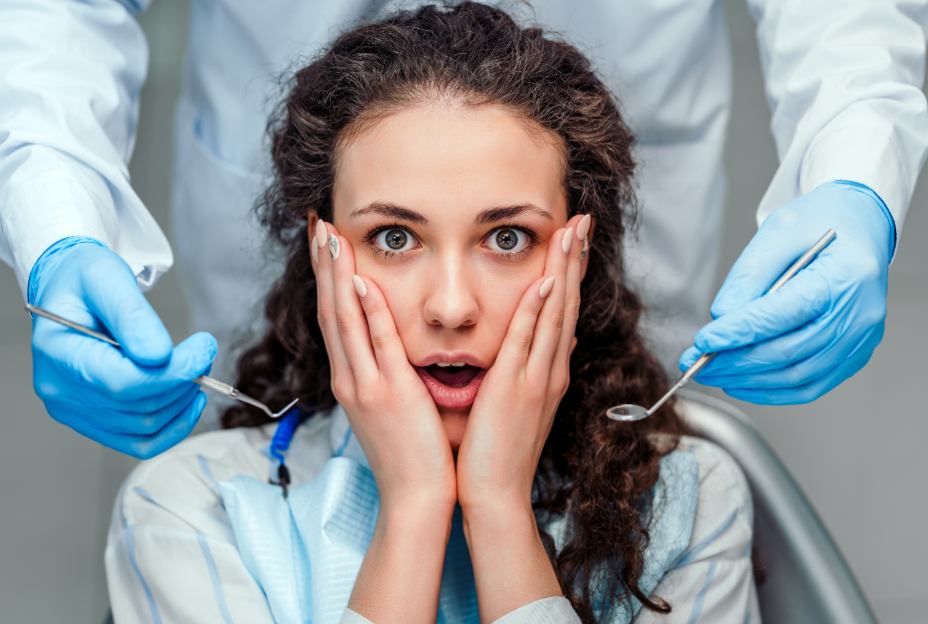
For many people, dental anxiety doesn’t start in the dental chair—it starts on the screen. Movies and television have a long history of portraying dentists as intimidating, painful, or even downright villainous. From exaggerated drill scenes to “evil dentist” characters, pop culture has played a surprisingly big role in shaping how we feel about dental visits.
While these portrayals are often meant to be humorous or dramatic, they can leave a lasting impression. Over time, they contribute to the idea that going to the dentist is something to fear rather than a normal part of staying healthy.
How Movies and TV Have Shaped Dental Fear
Think about how dentists are often shown in films. In many cases, they’re associated with loud drills, exaggerated pain, or awkward humor around procedures like root canals or extractions. Classic examples in pop culture often lean into the stereotype of the “scary dentist” who causes discomfort rather than relieves it.
Even in animated films and comedy shows, dental visits are frequently used as a punchline or a moment of fear. While these scenes are fictional, they can reinforce anxiety in viewers—especially those who haven’t had many real-life dental experiences to counterbalance them.
Over time, these repeated portrayals can build a mental association between dentistry and fear, even if someone has never personally had a bad experience.
The Reality: Dentistry Is Far Less Intimidating Than It Looks
In real life, dentistry is focused on comfort, prevention, and pain relief. Modern dental professionals are trained not only to treat teeth but also to help patients feel safe and at ease throughout their visit.
Today’s dental tools are far more advanced than the loud, uncomfortable equipment often shown in movies. Procedures are typically quicker, more precise, and much more comfortable than many people expect.
Most importantly, dentists understand that anxiety is common. They are used to working with nervous patients and take steps to make the experience as stress-free as possible.
Modern Options for Nervous Patients
One of the biggest changes in dentistry over the years is the wide range of options available for people afraid of the dentist. Patients no longer have to simply “push through” discomfort or anxiety.
Sedation dentistry, for example, allows patients to feel calm and relaxed during treatment. Depending on the level of anxiety and the procedure being performed, options may include mild sedatives like nitrous oxide or deeper forms of sedation for more complex treatments.
These approaches are designed to help patients remain comfortable while still receiving the care they need. Many people are surprised by how easy their experience becomes once sedation is part of the plan.
In addition to sedation, dental teams also use gentle communication, clear explanations, and step-by-step guidance to help patients feel more in control during their visit.
Breaking the Cycle of Dental Fear
The good news is that dental anxiety doesn’t have to last forever. Once patients have a positive experience—especially one that feels calm and pain-free—it often replaces older fears created by media or past assumptions.
Choosing a supportive dental team and exploring modern comfort options can make a huge difference in how someone feels about future visits.
Dentistry today looks very different from what’s often shown on screen, and for most patients, it’s far more comfortable than expected. Fear may start in the movies, but relief starts with the right dental care.
About the Practice
Midtown Family Dentistry in Dallas, Texas provides comprehensive dental care in a comfortable and welcoming environment. Our practice offers preventive, restorative, cosmetic, and sedation dentistry services designed to meet the needs of patients with a wide range of comfort levels. With a strong focus on patient experience, the team provides personalized care and multiple sedation dentistry options to support individuals who experience dental anxiety, helping make each visit as relaxed and stress-free as possible.
Call us at (469) 529-6016 or schedule your appointment online.